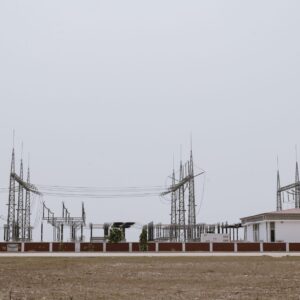
The shore power project is set to receive a significant boost as IFC invests $70 million to enhance the infrastructure at Jawaharlal Nehru Port. This investment aims to promote sustainable energy solutions.
Overview of the Shore Power Project
The Shore Power Project at Jawaharlal Nehru Port is set to receive significant financial backing, with the International Finance Corporation (IFC) committing $70 million to enhance its infrastructure. This investment aims to reduce emissions and improve environmental sustainability within the port operations.
The project will enable vessels to connect to the electrical grid while docked, eliminating the need for diesel generators that contribute to air pollution. The implementation of shore power technology is expected to lead to:
- Reduced Emissions: By allowing ships to use shore-based electricity, harmful emissions from docked vessels will decrease significantly.
- Improved Air Quality: The transition to cleaner energy sources will enhance the air quality around the port area, benefiting local communities.
- Operational Efficiency: The availability of shore power will streamline operations for shipping companies, reducing fuel costs and maintenance needs associated with onboard generators.
This initiative aligns with global efforts to promote sustainable practices in maritime operations, showcasing the potential for significant growth in renewable energy adoption within the shipping industry. With the IFC’s involvement, the Shore Power Project is poised to serve as a model for future developments in other ports.
Impact of IFC Investment
The recent investment by the International Finance Corporation (IFC) of $70 million in the shore power project at Jawaharlal Nehru Port is expected to bring significant benefits to both the local economy and the environment. This initiative aims to reduce carbon emissions by enabling vessels to connect to the electrical grid while docked, thereby minimizing the need for diesel generators.
Key impacts of the IFC investment include:
- Environmental Sustainability: By reducing reliance on fossil fuels, the shore power project will contribute to cleaner air quality and lower greenhouse gas emissions in the region.
- Economic Growth: The project is anticipated to create jobs during the construction phase and subsequent operations, stimulating local employment and economic activity.
- Modernization of Port Facilities: Upgrading the infrastructure at Jawaharlal Nehru Port will enhance its competitiveness and efficiency, attracting more shipping lines to use the port.
- Enhanced Maritime Services: The availability of shore power will improve operational efficiency for shipping companies, leading to reduced costs and increased reliability in port services.
Overall, the IFC’s investment in the shore power project represents a pivotal step towards sustainable port operations and aligns with global efforts to combat climate change.
Benefits of Sustainable Energy Solutions
The benefits of sustainable energy solutions are increasingly recognized as essential for modern infrastructure projects. The shore power project at Jawaharlal Nehru Port exemplifies this shift towards greener energy sources. By enabling vessels to connect to the land-based power grid while docked, the project aims to significantly reduce emissions from ships, contributing to cleaner air quality in port areas.
Some key advantages of implementing sustainable energy solutions like the shore power project include:
- Environmental Impact: Reducing greenhouse gas emissions and air pollutants helps combat climate change and promotes public health.
- Economic Benefits: Lower operational costs for shipping companies can arise from reduced fuel consumption, potentially leading to lower shipping rates.
- Regulatory Compliance: Adopting sustainable practices ensures compliance with increasingly stringent environmental regulations and standards.
- Enhanced Port Efficiency: Improved energy efficiency can lead to faster turnaround times for vessels, boosting overall port productivity.
As ports around the world look to modernize and adapt to new environmental challenges, initiatives like the shore power project represent a promising step forward in sustainable development.
Future of Infrastructure at Jawaharlal Nehru Port
The future of infrastructure at Jawaharlal Nehru Port is poised for transformation with the implementation of the shore power project. This initiative aims to significantly reduce emissions by enabling vessels to connect to the electrical grid while docked, rather than relying on diesel-powered generators. This shift not only enhances air quality but also aligns with global sustainability goals.
With the International Finance Corporation (IFC) investing $70 million, the project is expected to modernize port operations and set a benchmark for other ports in the region. The integration of shore power will facilitate a more efficient logistical framework, leading to reduced turnaround times for ships and fostering greater economic activity.
Several key benefits are anticipated from this groundbreaking initiative:
- Environmental Improvement: A significant decrease in greenhouse gas emissions and noise pollution.
- Operational Efficiency: Enhanced efficiency for shipping companies and reduced fuel costs.
- Job Creation: Opportunities for skilled labor in the installation and maintenance of new infrastructure.
- Technological Advancement: Encouragement of innovative practices in the maritime industry.
This shore power project not only reflects a commitment to sustainable energy solutions but also sets the stage for future infrastructure advancements at the port.
By wallygrom via Openverse
Sources
You might also like
UBS housing bubble risk: Is it the worst sign for investors? · British-era track revival: The Right Way to Restore History · Mumbai Home Prices: Worst Growth Trends in 2026