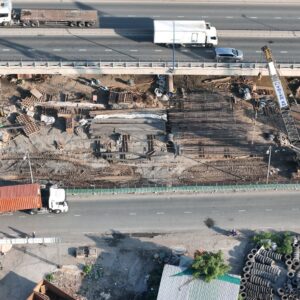
Barapullah Phase III opens today, significantly impacting commuters in Delhi. This new phase aims to enhance connectivity and ease traffic congestion.
Overview of Barapullah Phase III
The Barapullah Phase III project has officially opened today, marking a significant development in Delhi’s transportation infrastructure. This new phase is designed to enhance connectivity and ease traffic congestion in the bustling city.
Barapullah Phase III aims to provide a seamless link between various parts of Delhi, facilitating smoother transit for commuters. With the integration of this new corridor, travelers can expect a reduction in travel time and improved accessibility to key areas.
Some key features of the Barapullah Phase III include:
- Expanded Road Network: The new stretch connects major roads, making it easier for vehicles to navigate through the city.
- Dedicated Bus Lanes: To promote public transport usage, dedicated lanes for buses have been established, ensuring faster and more reliable services.
- Improved Pedestrian Facilities: Safety measures such as footpaths and pedestrian crossings have been implemented to enhance safety for walkers.
Commuters using this route will experience a transformation in their daily travel routines. With the opening of Barapullah Phase III, it is expected that traffic flow will improve significantly, leading to more efficient commutes across Delhi.
Impact on Commuter Traffic
The opening of Barapullah Phase III today is set to significantly impact commuter traffic across Delhi. With the new phase operational, the connectivity between various key areas is expected to improve, leading to reduced travel times for many residents. Previously congested routes will now witness smoother flow as commuters opt for the newly integrated corridors.
Some of the anticipated changes for commuters include:
- Reduced Travel Times: The new phase is designed to cut down travel times by up to 30%, making daily commutes more efficient.
- Improved Connectivity: Enhanced links to major hubs such as the airport and railway stations will facilitate easier transfers.
- Decreased Congestion: With additional lanes available, the overall traffic congestion in surrounding areas is expected to diminish, benefiting all road users.
- Public Transport Integration: The phase will include better access to public transport facilities, encouraging the use of buses and metro services.
As Barapullah Phase III opens, commuters are advised to familiarize themselves with the new routes and plan their journeys accordingly. With these improvements, the project aims to provide a seamless travel experience, ultimately contributing to a more organized traffic system in the capital.
Key Features of the New Phase
The recently inaugurated Barapullah Phase III brings several key features aimed at improving the commuting experience for Delhi residents. This new phase is designed to enhance connectivity and reduce travel time, making it a significant upgrade for the city’s transportation network.
Among the notable features are:
- Extended Connectivity: The new phase links major areas, providing seamless access to key destinations across Delhi.
- Dedicated Lanes: Commuters will benefit from dedicated lanes for smooth traffic flow, minimizing congestion during peak hours.
- Improved Safety Measures: Enhanced safety features, including better lighting and pedestrian crossings, ensure a safer travel environment for all.
- Public Transport Integration: The project facilitates integration with public transport options, allowing for easier transfers and reduced reliance on personal vehicles.
- Environmental Considerations: The construction has integrated eco-friendly practices, contributing to a greener urban landscape.
These enhancements are expected to significantly ease the daily commute for thousands of residents, making Barapullah Phase III a crucial addition to Delhi’s infrastructure. With the goal of reducing travel times and improving overall commuter satisfaction, this phase is poised to play a vital role in the future of urban mobility in the capital.
Future Developments in Delhi’s Infrastructure
The completion of Barapullah Phase III marks a significant step forward in Delhi’s infrastructure development. This new phase not only enhances connectivity but also paves the way for future projects aimed at improving the urban transit landscape.
As the city continues to grow, several developments are on the horizon that may further support the ease of commuting. These include:
- Expansion of Metro Lines: Plans are in place to extend metro connectivity to areas that are currently underserved, linking them to major transit points.
- Enhanced Road Infrastructure: Additional flyovers and underpasses are proposed to alleviate congestion and provide smoother travel routes.
- Smart Traffic Management Systems: Implementation of advanced traffic management technologies aims to optimize flow and reduce waiting times at intersections.
- Integrated Transport Hubs: Development of hubs that combine different modes of transport, making transfers seamless for commuters.
Incorporating these initiatives, the Barapullah Phase III will serve as a catalyst for further advancements in Delhi’s transportation framework. As residents and visitors adapt to the changes brought by this new phase, it is hoped that ongoing improvements will continue to enhance the overall commuting experience in the capital.