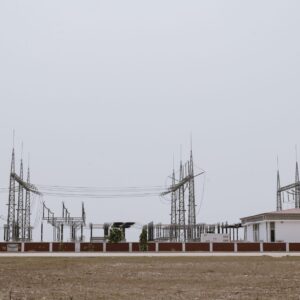
Aviation infrastructure projects are becoming increasingly important in today’s economy. The recent MoU between Jonjua Overseas and Catobo LLP highlights the growing focus on enhancing aviation capabilities.
Overview of Aviation Infrastructure
Aviation infrastructure projects play a crucial role in enhancing connectivity and improving the efficiency of air travel. These projects encompass a wide range of developments, including the construction of new terminals, runways, and air traffic control systems. With increasing air traffic demands, investing in robust aviation infrastructure is essential for both economic growth and passenger safety.
Recent collaborations, such as the memorandum of understanding (MoU) signed between Jonjua Overseas and Catobo LLP, highlight the commitment of various stakeholders to advance aviation infrastructure. This partnership aims to leverage innovative technologies and expertise to deliver cutting-edge solutions that meet the evolving needs of the aviation sector.
Key factors in the success of aviation infrastructure projects include:
- Public-Private Partnerships: Collaboration between government bodies and private entities can streamline funding and resources.
- Sustainable Practices: Implementing eco-friendly technologies and designs ensures long-term viability and minimizes environmental impact.
- Community Engagement: Involving local communities in the planning process fosters support and addresses potential concerns.
- Technological Integration: Utilizing advanced technologies improves operational efficiency and enhances passenger experience.
In summary, the future of aviation infrastructure projects depends on strategic planning, collaboration, and innovation. As the industry continues to evolve, prioritizing these elements will be crucial for developing a resilient aviation network.
Importance of Aviation Projects
The significance of aviation infrastructure projects cannot be overstated, as they play a vital role in enhancing connectivity, promoting economic growth, and improving safety standards within the aviation sector. As global air traffic continues to rise, there is an increasing need for robust infrastructure to support this growth.
Investing in aviation infrastructure projects yields numerous benefits, including:
- Economic Boost: Improved airports and surrounding facilities attract investments, create jobs, and stimulate local economies.
- Enhanced Safety: Upgraded infrastructure leads to better safety management systems, reducing the risk of accidents and incidents.
- Increased Capacity: Expanding runway lengths and improving terminal facilities help accommodate larger aircraft and increased passenger volumes.
- Sustainability: Modern aviation infrastructure projects often prioritize eco-friendly practices, reducing the environmental impact of air travel.
Moreover, aviation infrastructure projects foster international collaboration and technological advancements. Countries often engage in partnerships to share expertise and resources, leading to innovative solutions that can be implemented across borders. As seen in recent developments, such as the MoU signed between Jonjua Overseas and Catobo LLP, collaboration is key to addressing the challenges faced in aviation infrastructure. By strategically investing in these projects, stakeholders can ensure a resilient and efficient aviation ecosystem for future generations.
Jonjua Overseas and Catobo LLP Partnership
In a significant move to enhance aviation infrastructure projects, Jonjua Overseas has officially signed a Memorandum of Understanding (MoU) with Catobo LLP. This partnership aims to leverage the strengths of both companies to develop innovative solutions and effective strategies for advancing aviation facilities globally.
The collaboration focuses on several key areas:
- Project Development: Joint efforts will be made to plan and execute aviation infrastructure projects that meet the growing demands of the industry.
- Technology Integration: The partnership will explore cutting-edge technologies to improve operational efficiency and passenger experience at airports.
- Regulatory Compliance: Ensuring all projects adhere to international safety and environmental standards will be a top priority.
- Sustainable Practices: The companies are committed to incorporating sustainable practices in their projects to minimize environmental impact.
Jonjua Overseas and Catobo LLP believe that their combined expertise will lead to the successful execution of various aviation infrastructure projects. The partnership aims not only to enhance airport facilities but also to ensure a seamless travel experience for passengers. By focusing on collaboration and innovation, they hope to set a benchmark for future projects in the aviation sector.
This strategic alliance demonstrates the potential for public-private partnerships to transform the landscape of aviation infrastructure, ultimately contributing to the growth of the global aviation industry.
Key Benefits of Aviation Infrastructure
Aviation infrastructure projects play a crucial role in enhancing connectivity and supporting economic growth. The key benefits of these projects are manifold, impacting various sectors and communities. Below are some of the primary advantages:
- Improved Connectivity: Enhanced airports and air traffic systems reduce travel time and improve access to remote areas, fostering regional development.
- Economic Growth: Investments in aviation infrastructure create jobs, stimulate local economies, and attract tourism, contributing to overall economic vitality.
- Increased Capacity: Upgraded facilities and runways enable airports to handle more flights and passengers, accommodating the growing demand for air travel.
- Safety and Efficiency: Modernized technology and infrastructure lead to better safety measures and more efficient operations, reducing delays and enhancing the passenger experience.
- Environmental Sustainability: New projects can incorporate eco-friendly practices, such as energy-efficient designs and sustainable materials, helping to minimize the environmental impact of aviation.
Overall, the implementation of well-planned aviation infrastructure projects not only strengthens a country’s transportation network but also serves as a catalyst for broader economic development. As seen with the recent partnership between Jonjua Overseas and Catobo LLP, the focus on innovative aviation solutions promises to deliver substantial benefits to communities and the economy alike.
Challenges in Aviation Development
The development of aviation infrastructure projects faces several significant challenges that can impede progress and effectiveness. Understanding these challenges is crucial for stakeholders involved in planning and execution.
- Regulatory Hurdles: The aviation sector is heavily regulated, with numerous compliance requirements that vary by region. These regulations can delay project timelines and increase costs.
- Funding Issues: Securing adequate financing for large-scale aviation infrastructure projects is often difficult. Investors may be hesitant due to the high upfront costs and long return-on-investment periods.
- Technological Advancements: Rapid technological changes can render existing infrastructure obsolete. Staying ahead of innovations is essential to ensure that projects are future-proof.
- Environmental Concerns: Increasing awareness of environmental issues has led to stricter scrutiny of aviation projects. Stakeholders must balance development with sustainable practices to minimize ecological impacts.
- Community Opposition: Local communities may resist aviation infrastructure projects due to concerns about noise, safety, and disruption. Engaging with these communities early in the planning process can help mitigate opposition.
Addressing these challenges requires a collaborative approach among government bodies, private investors, and local communities. By implementing proven strategies, stakeholders can enhance the success rates of aviation infrastructure projects, ensuring they meet both current demands and future needs.
Future Trends in Aviation Projects
As the aviation industry continues to evolve, future trends in aviation infrastructure projects are expected to reshape the landscape significantly. One of the most notable trends is the integration of advanced technologies such as artificial intelligence and big data analytics. These technologies will enhance operational efficiency, improve safety, and streamline airport management systems.
Additionally, sustainability has become a critical focus in aviation projects. The push for greener airports and the reduction of carbon footprints are driving the adoption of renewable energy sources and eco-friendly building materials. Stakeholders are increasingly prioritizing projects that align with environmental goals, reflecting a global commitment to combating climate change.
Public-private partnerships (PPPs) are also on the rise, offering a collaborative approach to funding and developing aviation infrastructure. These partnerships leverage the expertise and resources of both sectors, allowing for innovative solutions and shared risks. The ability to attract private investment will be crucial in meeting the growing demands of air travel.
Furthermore, the expansion of regional airports is expected to play a significant role in alleviating congestion at major hubs. By improving access to underserved areas, these projects can enhance connectivity and stimulate local economies.
In conclusion, future trends in aviation infrastructure projects point toward a more sustainable, technology-driven, and collaborative approach, aimed at addressing the current challenges while preparing for the demands of the future.
Successful Case Studies
In recent years, several aviation infrastructure projects have set benchmarks for successful execution and operational efficiency. One notable case study is the expansion of the Dubai International Airport, which has become a model for integrating advanced technology and sustainable practices. The project included the construction of a new terminal that increased passenger capacity by 20 million annually while incorporating energy-efficient systems.
Another exemplary initiative is the Heathrow Airport Expansion in the United Kingdom, which focused on enhancing connectivity and reducing environmental impact. This project involved the addition of a third runway, designed with noise reduction technologies and measures to minimize carbon emissions. Stakeholder engagement played a crucial role, ensuring local communities were involved in the planning process.
Additionally, the Chhatrapati Shivaji Maharaj International Airport in Mumbai has successfully implemented various aviation infrastructure projects, such as the construction of a new terminal and runway upgrades. These enhancements have not only improved passenger experience but also increased operational efficiency, demonstrating the effective management of resources.
These successful case studies highlight the importance of strategic planning, stakeholder collaboration, and innovative solutions in the development of aviation infrastructure projects. By learning from these examples, future initiatives can be better equipped to face challenges and maximize benefits.
Conclusion and Next Steps
In conclusion, the landscape of aviation infrastructure projects is ever-evolving, presenting both challenges and opportunities for stakeholders in the industry. The partnership between Jonjua Overseas and Catobo LLP marks a pivotal moment, highlighting the need for collaboration to drive innovation and efficiency in aviation development. As we look ahead, several key steps can be taken to ensure the success of future projects.
First, it is essential to prioritize stakeholder engagement. Involving local communities, government entities, and industry experts early in the planning process can lead to more comprehensive solutions that address the needs of all parties involved.
Second, investing in advanced technologies and sustainable practices will be crucial. The integration of smart infrastructure, renewable energy solutions, and eco-friendly materials can reduce environmental impacts while enhancing operational efficiency.
Third, establishing clear regulatory frameworks and streamlining approval processes will help mitigate delays and foster a more conducive environment for investment.
Lastly, ongoing training and development for personnel involved in these projects will ensure that teams are equipped with the latest skills and knowledge to navigate the complexities of modern aviation infrastructure.
By adopting these strategies, stakeholders can effectively navigate the challenges and seize the opportunities presented by aviation infrastructure projects, ultimately contributing to a more robust and sustainable aviation industry.
By MassDOT via Openverse