
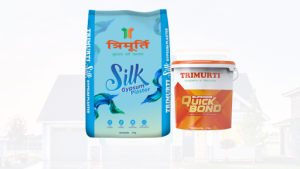
In modern construction, achieving a refined finish goes beyond structural strength — it requires choosing materials that enhance durability, aesthetics, and long-term performance. Whether preparing walls, filling joints, or finishing surfaces, the right construction solutions deliver both functional and visual value. Among these, gypsum plaster stands out as a versatile and reliable option for creating smooth, uniform surfaces that support paint adhesion, insulation, and flawless final looks.
In a competitive building landscape, professionals demand materials that are easy to apply, crack-resistant, and adaptable to diverse conditions. From interior wall finishes to complex detail work, selecting products backed by proven performance specifications ensures that projects meet quality benchmarks. With careful planning and product selection, construction outcomes move beyond the ordinary — delivering pristine surfaces, efficient installations, and long-lasting results.
Why Gypsum Plaster is Essential for Modern Surface Finishes
Gypsum plaster has become a cornerstone material in contemporary construction due to its ease of application, consistent texture, and adaptability to various substrates. It enhances surface smoothness while providing a balanced base for finishing layers.
Professionals choose gypsum plaster for its efficient workability, rapid setting qualities, and reliable performance across residential and commercial projects. Understanding its benefits helps teams optimize surface preparation and achieve high-quality results that stand the test of time.
-
Rapid Setting and Efficient Workflow
One of the key advantages of gypsum plaster is its quick setting time. This accelerates project timelines, allowing painters and installers to proceed sooner than with traditional cement-based plasters. The rapid hardening contributes to efficient scheduling, reduced labor costs, and faster overall project delivery without compromising quality or finish integrity.
-
Smooth and Uniform Surface Texture
Gypsum plaster creates a consistent and fine surface that minimizes imperfections. Its homogenous texture ensures that subsequent coatings — such as primers, paints, or wallpapers — adhere evenly. This uniformity enhances aesthetics and reduces the likelihood of surface defects that can emerge over time.
-
Improved Moisture Regulation
Gypsum materials naturally help regulate humidity by absorbing excess moisture and releasing it gradually. This contributes to a healthier indoor environment and reduces problems linked to condensation. By supporting balanced moisture levels, gypsum plaster helps prevent surface degradation and improves long-term material performance.
-
Compatibility with Modern Finishes
Whether applying decorative paints, textured finishes, or wallpaper, gypsum plaster provides a receptive base that enhances adhesion. Its smooth, consistent surface ensures that finishing layers perform as expected, reducing the risk of peeling or flaking. This adaptability makes it suitable for a variety of interior design choices.
-
Thermal and Acoustic Benefits
Gypsum plaster offers slight thermal insulation properties and can help reduce sound transmission when applied on interior partitions. While not a substitute for dedicated insulation systems, it contributes to overall comfort within living and working spaces. This multi-functional profile makes it an attractive choice for integrated interior solutions.
-
Easy Application and Repairs
Gypsum plaster is user-friendly for skilled applicators. Its workable consistency allows for precise leveling and detailing. In cases where repairs are needed, gypsum-based surfaces can be patched and refinished with minimal complexity, enabling efficient maintenance without extensive rework.
Gypsum Plaster: Engineered for Superior Finish
High-performance gypsum solutions are engineered to deliver consistent application, enhanced bonding strength, and surface smoothness that meets professional standards. Quality-controlled manufacturing ensures reliability across residential, commercial, and institutional projects.
A well-formulated gypsum system supports faster application cycles while maintaining structural integrity. It enhances finishing efficiency and provides a uniform base that elevates the overall aesthetic outcome of interior spaces.
-
Consistency in Workability
A balanced composition ensures easy spreading, leveling, and shaping across surfaces. Controlled workability reduces application errors and supports smoother finishes with minimal surface defects.
-
Fast Setting with Performance Reliability
Engineered formulations allow for quick setting times while maintaining durability. This improves project timelines and supports efficient trade coordination without compromising structural performance.
-
Enhanced Adhesion Characteristics
Superior bonding strength minimizes the risk of delamination or peeling. Reliable adhesion ensures long-term surface stability and reduces maintenance requirements over time.
-
Quality Texture and Uniform Finish
Fine particle distribution delivers a smooth, homogeneous surface that enhances paint adhesion and decorative finishing results.
-
Controlled Shrinkage and Reduced Cracking
Balanced material engineering helps reduce shrinkage-related cracks, supporting durability and long-term aesthetic consistency.
Tile Grout: Precision for Perfect Joints
A high-quality tile grout completes the installation process by strengthening joints and enhancing visual alignment. Engineered grout solutions provide durability, moisture resistance, and aesthetic consistency in tiled environments.
Strong joint performance ensures tiles remain stable under daily use, supporting both functionality and design cohesion across kitchens, bathrooms, corridors, and commercial areas.
-
Strong Bonding with Tile Surfaces
Effective bonding between tiles maintains installation integrity and prevents joint separation under stress or traffic.
-
Excellent Resistance to Moisture
Advanced formulations reduce water penetration, protecting tiled surfaces from mold growth and long-term deterioration.
-
Color Consistency and Aesthetic Appeal
Uniform color retention enhances visual appeal and ensures cohesive tile design throughout the surface.
-
Easy Application and Cleanup
Smooth workability simplifies installation and reduces labor time while delivering clean, even joints.
-
Crack and Shrinkage Control
Engineered composition minimizes cracking after curing, preserving structural and visual consistency.
Application Best Practices: From Prep to Finishing Touches
Achieving optimal results with gypsum plaster and tile grout requires proper preparation, accurate mixing, and disciplined finishing methods. Even the highest quality materials perform best when installed under controlled conditions and according to technical guidelines.
Each stage, from substrate preparation to final inspection, plays a vital role in ensuring surface longevity, structural stability, and visual excellence.
-
Substrate Evaluation and Preparation
Clean, stable surfaces enhance adhesion and reduce future performance issues.
-
Mixing and Consistency Control
Precise water ratios and mixing techniques ensure materials reach optimal performance standards.
-
Application Technique and Layer Control
Controlled layering prevents cracking and ensures smooth finishes across large and detailed surfaces.
-
Drying and Curing Management
Proper curing protects material strength and reduces long-term defects.
-
Finishing and Surface Treatment
Post-application treatments enhance durability and surface aesthetics.
-
Inspection and Quality Assurance
Final evaluations confirm structural integrity, finish consistency, and project compliance.
Conclusion
Smarter construction materials such as gypsum plaster, trimurti gypsum plaster, and Trimurti tile grout play a critical role in achieving seamless surfaces and durable tile joints. When selected carefully and applied correctly, these materials enhance efficiency, aesthetics, and long-term structural stability.
Trimurti Products delivers engineered construction solutions designed for consistency, durability, and professional-grade finishes. From surface preparation to final joint detailing, their materials support reliable performance across projects.