The rise in outdoor living has changed the way homeowners think about their gardens, and I see it in almost every job across York. People search for fencing companies near me because they want boundaries that look good, last longer, and create comfortable spaces for relaxing or entertaining. Many begin by looking at York Fencing for ideas, then come to me with questions about styles, heights, airflow, timber grades, and design options that match their outdoor plans. After decades working as a fencing contractor, it is clear that garden fencing is no longer something people choose last. It has become a key part of how the whole garden is designed.
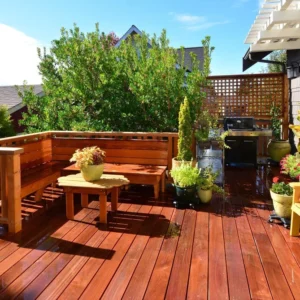
More homeowners are building seating areas, outdoor kitchens, pergolas, fire pits, and sheltered corners for year round use. These new features need stylish, reliable boundaries that work with the space rather than against it. When people search for fencers near me, they often bring inspiration photos, colour schemes, and ideas for blending fencing with decking or planting. This shift means fencing now acts as part of the overall landscape design rather than a simple functional barrier.
Why outdoor living has changed what people expect from garden fencing
From years on site, I can say that the biggest change is expectation. Homeowners used to choose fences based on cost and privacy. Now they look at fencing as part of the style of the garden. They want materials that complement their outdoor living spaces. Slatted fencing, decorative screens, and contemporary timber designs have all become popular because they work well with modern garden layouts.
The move toward outdoor living is partly driven by people spending more time at home. Garden upgrades have become a priority. A well built fence helps create a comfortable and protected space. It improves privacy, reduces wind in seating areas, and sets the tone for the overall design. When homeowners search for fencing near me, they want to know which styles will work best with their plans.
Weather also plays a role. Stormier seasons encourage people to build protected corners and sheltered seating spots. Fencing can help direct wind and create microclimates within the garden. A thoughtfully designed boundary makes the space feel more comfortable, especially during cooler months.
Why modern fencing designs are replacing traditional panels
Traditional waney lap panels are still around, but they are not the first choice for homeowners planning stylish outdoor areas. More people now choose closeboard, slatted, or decorative options because they look cleaner, last longer, and blend well with contemporary features.
Closeboard fencing remains popular because of its strength. It stands straight, handles wind well, and gives a consistent, neat finish. For outdoor living spaces, this stable backdrop works better than uneven, flexible boards. Homeowners searching for fencing contractors near me often choose closeboard when they want durability combined with a clean, simple look.
Slatted designs are especially popular. The gaps between boards allow light and airflow to move through the structure, which creates a softer boundary. Slatted fencing pairs well with modern seating areas, outdoor kitchens, and pergolas. It also complements climbing plants, which many homeowners now use to soften fence lines.
Horizontal slats continue to grow in demand. They give a sleek, contemporary look and work well in gardens where the homeowner wants a design that feels modern. I see this most often in new builds around York where homeowners want to personalise their outdoor spaces from the start.
How outdoor kitchens and seating areas influence fencing choices
One of the biggest drivers of stylish fencing is the rise of outdoor kitchens and permanent seating areas. When people search for fencing contractor near me, they often mention grills, pizza ovens, or built in seating as part of their garden plans. These features require thoughtful fencing choices.
For outdoor kitchens, heat exposure needs to be considered. Fencing must be at a safe distance, and materials need to be selected carefully. Composite fencing can work well here because it does not warp with heat and maintains its shape. Timber can also be used successfully if it is treated properly.
Seating areas often need wind protection. Many gardens in York sit on open plots or higher ground, so homeowners want fencing that reduces wind without creating a heavy, blocked off look. Slatted fencing works well because it reduces gusts while still letting air circulate. Hit and miss designs are another strong option for windy gardens.
For anyone comparing these styles, the garden fencing page offers a useful overview of the most popular materials and layouts.
How lighting trends are influencing boundary designs
Another trend shaping fencing choices is outdoor lighting. Homeowners now want fences that work well with LEDs, uplights, festoon lights, or hidden lighting strips. This requires stable, straight fencing with a consistent surface.
Closeboard fencing is often chosen for lighting layouts because the smooth vertical boards reflect gentle light evenly. Horizontal slats create clean shadows that add depth to evening spaces. Composite boards also work well because their surface texture picks up light in a subtle way.
People search for fence installation near me because they want fencing that is strong enough to hold wiring or support mounted lights. I always remind homeowners that the installation must take wiring routes into account. Posts may need drilled channels or integrated conduits to keep wiring protected from moisture.
Lighting is becoming a standard part of outdoor living designs, so fencing must rise to meet that expectation.
Why soil and drainage matter more in outdoor living gardens
Outdoor living spaces often include solid surfaces such as decking, porcelain patios, and gravel seating areas. These features change how water moves through the garden. If drainage is not planned properly, moisture can build up around fencing foundations. In York’s clay soil, this can become a problem.
Clay holds water for long periods, especially during winter. Fence posts in clay need deeper installation depths, usually 600mm to 750mm for most boundaries. In wetter areas, I go deeper. I also add gravel at the base to allow water to drain. These small steps help prevent rot and keep the fence standing straight for years.
Homeowners are becoming more aware of this. When they search for fencing contractors near me, they ask about drainage, post strength, and soil behaviour. It makes sense. A stylish outdoor seating area needs stable fencing to frame it properly. If the posts move or lean, the whole space starts to feel uneven.
Increasing popularity of decorative fencing panels
Decorative fence panels are becoming a central part of garden design for homeowners wanting stylish outdoor spaces. These panels include lattice tops, geometric cut outs, trellis extensions, and patterned screens. They add visual interest without overpowering the garden.
People use decorative panels in three main ways. They place them along the whole boundary for a uniform look. They install them in specific sections to create focal points. Or they use them behind seating areas to elevate the overall design.
Decorative metal screens are also gaining interest. They can be mounted onto timber frameworks or used as standalone features. Their patterns create shadows and light movement, making them ideal for outdoor relaxation areas.
Composite manufacturers now offer decorative screen options too. These blend durability with modern design, making them a strong choice for homeowners who want style without excessive maintenance.
How colour trends shape fencing upgrades
Colour is becoming a major part of fencing design. Instead of keeping timber in its natural form, many homeowners now paint or stain their fences to match their outdoor living areas. Popular shades include muted greys, deep greens, charcoal tones, and natural browns.
Painted fences create a cohesive look when paired with matching furniture or planters. Stained finishes highlight the grain while adding extra protection. I often tell homeowners that darker colours suit modern spaces while lighter tones help traditional gardens feel larger.
Composite fencing offers colour consistency that lasts over time. It resists fading and does not require repainting. Homeowners choose it because it keeps its appearance without yearly maintenance.
Why low maintenance fencing is becoming essential for outdoor living spaces
Outdoor living spaces require work, from cleaning patios to maintaining planters. Many homeowners want fencing that does not add to their maintenance list. This is why composite fencing and pressure treated timber have grown in popularity.
Composite fencing needs minimal upkeep. An occasional wash is usually enough. Pressure treated timber lasts longer and needs fewer re-treatments than dipped timber. Gravel boards and concrete posts also reduce contact with moisture, helping the fence stay strong for years.
Homeowners who choose low maintenance fencing often do so because they want more time enjoying their outdoor spaces rather than maintaining them. It also helps reduce waste. Fences that last longer need fewer replacements.
How seating privacy has changed fence height choices
The growth of outdoor seating and dining areas has made privacy a higher priority. More homeowners now choose taller fences to create sheltered, comfortable spaces. Taller fences block wind, reduce noise from neighbours, and make gardens feel more enclosed.
However, taller fences catch more wind and place more pressure on posts. For this reason, I install deeper foundations for taller fences. Concrete posts often work best, especially in windy areas or gardens on open plots.
Hit and miss and slatted designs offer a softer form of privacy. They allow glimpses of light while still creating a sense of separation. Horizontal slats are especially popular for modern seating areas.
How rising interest in natural planting complements modern fencing
Another trend linked to outdoor living is the rise in natural planting. More people are using their fences as backgrounds for climbing plants, tall grasses, and planting screens.
Closeboard fencing gives a strong backdrop for planting groups. Slatted fencing works well with tall grasses because the spaces between boards create movement in the wind. Decorative panels look striking behind flowering climbers and shade loving plants.
These choices shape how homeowners approach their fencing. They want materials that age well and work with natural textures.
Why small repairs matter more when outdoor spaces are in constant use
Outdoor living spaces get used more than traditional gardens. Because of this, small fence issues become more noticeable. A leaning post, a loose rail, or a cracked panel can spoil the look and feel of a seating area. Many homeowners search for fence repair near me because they prefer to address small issues before they affect the whole space.
Minor repairs help maintain style and structure. Replacing a single panel or reinforcing a post can extend the overall lifespan of the fence. Repairs also support sustainability by reducing the need for full replacements.
For clear guidance, the fence repairs page helps homeowners decide whether a small fix is enough or whether the fence is reaching the end of its life.
How stylish fencing supports comfortable, liveable gardens
Stylish fencing brings more than visual appeal. It creates boundaries that help homeowners enjoy their gardens as extensions of their homes. It shapes how outdoor spaces feel, how they function, and how long they last.
From years on site, I have seen how the right fence transforms a garden. Strong foundations keep seating areas stable. Modern designs create relaxing backdrops. Durable materials reduce waste and maintenance. The outdoor living boom has encouraged homeowners to think carefully about their boundaries, and that thoughtful planning leads to spaces that feel inviting, long lasting, and comfortable throughout the seasons.