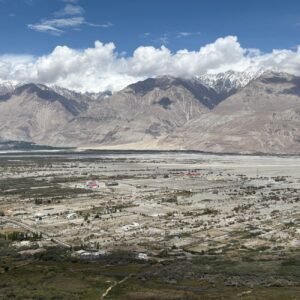
Namami Gange projects have made significant progress, with 363 of 524 initiatives completed. This initiative aims to enhance wastewater management and river cleanliness.
Overview of Namami Gange
The Namami Gange program is a flagship initiative launched by the Government of India aimed at rejuvenating the Ganga River and enhancing its water quality. This comprehensive project addresses various aspects of river conservation and aims to restore the ecological health of the Ganga. With a significant budget allocation, the program encompasses multiple projects focused on wastewater management, river surface cleaning, afforestation, and public awareness.
As of now, out of the 524 projects under the Namami Gange initiative, 363 have been successfully completed. This reflects a determined effort from the Centre to expedite the execution of these vital projects. The completed works include:
- Wastewater treatment plants: These facilities play a crucial role in treating sewage before it enters the river.
- Riverfront development: Initiatives to enhance the banks of the Ganga for public use and environmental sustainability.
- Public awareness campaigns: Efforts to engage communities in the conservation of the river.
Overall, the Namami Gange projects signify a major step towards restoring one of India’s most important rivers, ensuring its preservation for future generations.
Current Status of Projects
The Namami Gange projects, aimed at rejuvenating the Ganga river, have made significant progress in recent months. As of now, a total of 363 out of 524 projects have been successfully completed, reflecting the government’s commitment to enhancing water quality and promoting sustainable practices along the river.
These projects encompass a variety of initiatives designed to tackle pollution and improve the overall ecosystem of the Ganga. Key accomplishments include:
- Wastewater Treatment Plants: Numerous plants have been established to treat sewage and industrial effluents before they enter the river.
- River Surface Cleaning: Ongoing efforts to remove solid waste and debris have significantly improved the visual and ecological health of the river.
- Afforestation Programs: Initiatives to increase green cover along the riverbanks are underway, contributing to biodiversity and soil stability.
With the Centre pushing for faster execution of remaining projects, stakeholders remain optimistic about the long-term impact of the Namami Gange projects on the ecosystem and local communities.
Impact on Wastewater Management
The Namami Gange projects have significantly transformed wastewater management along the Ganges River, addressing critical environmental and health issues. With 363 out of 524 projects completed, the initiative is well on its way to achieving its goals of restoring the river’s ecological balance and improving water quality.
One of the key impacts of the Namami Gange projects includes:
- Enhanced Sewage Treatment: The establishment of new sewage treatment plants (STPs) has led to a considerable reduction in the amount of untreated wastewater flowing into the river.
- Decentralized Wastewater Treatment: Innovative decentralized systems have been implemented, allowing communities to manage their wastewater locally, further reducing pollution.
- Public Awareness Campaigns: Efforts to educate local populations about the importance of clean water and proper waste disposal have fostered community involvement in maintaining a cleaner Ganges.
Overall, the Namami Gange projects represent a comprehensive approach to wastewater management, combining infrastructure development with community engagement, and setting a precedent for future environmental initiatives across India.
Government’s Role in Execution
The execution of the Namami Gange projects has been significantly influenced by the proactive role of the government. The initiative aims to rejuvenate the Ganga River, and the government’s commitment has been pivotal in achieving considerable milestones. Through dedicated funding and policy support, the Central Government has ensured that resources are allocated efficiently to various aspects of the program.
One of the main strategies employed has been the establishment of a streamlined monitoring system to track project progress. This system allows for real-time updates and facilitates swift decision-making to overcome obstacles that may arise during implementation.
Moreover, the government has engaged with local communities and stakeholders to promote awareness and participation in the Namami Gange projects. This grassroots involvement has helped in garnering support and ensuring that the projects are aligned with the needs of the people.
To summarize, the government’s multifaceted approach, which includes financial investment, legislative backing, and community engagement, has been essential in the successful execution of the Namami Gange projects, ultimately leading to a cleaner and healthier Ganga River.
Future Plans for Gange
The Namami Gange projects are set to evolve further as the government outlines ambitious plans for the future. With 363 out of 524 projects already completed, the focus now shifts towards enhancing the sustainability and effectiveness of these initiatives.
Future plans include:
- Expansion of Infrastructure: New wastewater treatment plants will be constructed to ensure more areas are covered, significantly reducing pollution in the Ganges.
- Community Engagement: Programs aimed at involving local communities in conservation efforts will be intensified, promoting awareness and participation in keeping the river clean.
- Technological Innovations: The introduction of advanced technologies for monitoring water quality and managing waste will be prioritized to enhance operational efficiency.
- Ecological Restoration: Initiatives aimed at restoring the river’s ecosystem will be implemented, focusing on biodiversity and habitat preservation.
These future plans are critical in ensuring the long-term success of the Namami Gange projects, aiming not only for immediate impact but also for sustainable practices that will benefit generations to come.
Community Involvement in Projects
Community involvement has played a crucial role in the success of the Namami Gange projects. Local citizens, non-governmental organizations, and various stakeholders have actively participated in initiatives aimed at revitalizing the Ganges River.
Key aspects of community involvement include:
- Awareness Campaigns: Educational programs have been organized to raise awareness about the importance of river conservation and the impact of pollution.
- Volunteer Programs: Local residents have participated in cleanup drives, helping to remove waste and debris from the riverbanks.
- Monitoring and Reporting: Communities have taken on the responsibility of monitoring water quality and reporting pollution incidents, fostering a sense of ownership over the river’s health.
- Partnerships with NGOs: Collaborations with non-profit organizations have led to the development of sustainable practices and innovative solutions for river management.
Through these efforts, the Namami Gange projects have not only facilitated a sense of community but have also empowered citizens to take an active role in protecting their natural water resources, ensuring a healthier Ganges for future generations.