

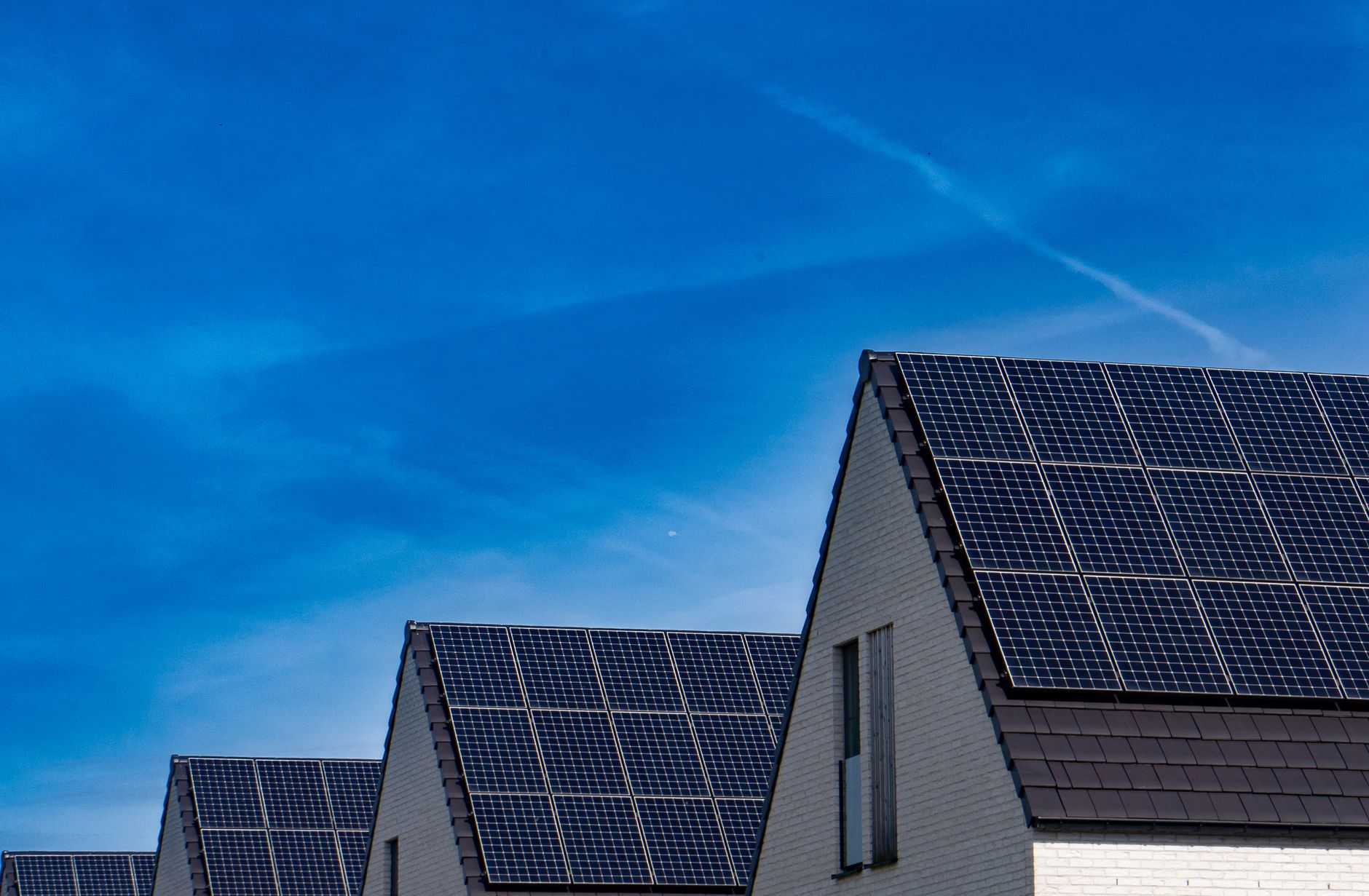
rooftop solar systems are gaining traction as a sustainable energy solution. Annu Projects has recently signed a MoU to implement 8,000 installations, marking a significant step in renewable energy adoption.
Understanding Rooftop Solar Systems
Rooftop solar systems have become a popular choice for homeowners and businesses looking to reduce energy costs and promote sustainability. These systems harness solar energy by converting sunlight into electricity, which can be used to power homes or fed back into the grid.
One of the primary advantages of rooftop solar systems is their ability to significantly lower electricity bills. By generating their own power, users can reduce dependence on traditional energy sources, leading to long-term financial savings. Additionally, many governments offer incentives for installing solar panels, further enhancing the affordability of these systems.
When considering a rooftop solar system, several factors should be taken into account:
- Location: The amount of sunlight a roof receives plays a crucial role in the system’s efficiency.
- System Size: The size of the solar panel system should be tailored to the energy needs of the household or business.
- Installation Quality: A professional installation ensures optimal performance and longevity of the system.
- Maintenance: Regular maintenance is essential to keep the solar panels functioning at their best.
As seen in recent developments, such as Annu Projects signing a Memorandum of Understanding for 8,000 rooftop solar systems, the demand for these sustainable energy solutions continues to grow, reflecting a shift towards greener energy practices.
Benefits of Solar Energy
Rooftop solar systems are becoming increasingly popular as a sustainable energy solution, offering a multitude of benefits for homeowners and businesses alike. These systems harness solar energy directly from the sun, converting it into usable electricity, which can significantly reduce energy costs.
One of the primary advantages of rooftop solar systems is their capacity to lower electricity bills. By generating your own power, you can reduce reliance on the grid, thereby diminishing monthly utility expenses. In many cases, excess energy produced can even be sold back to the grid, providing additional financial incentives.
Furthermore, utilizing solar energy contributes to environmental sustainability. Rooftop solar systems help decrease carbon emissions, promoting cleaner air and a healthier planet. This shift toward renewable energy sources is crucial in combating climate change and reducing our ecological footprint.
Aside from financial and environmental benefits, installing rooftop solar systems can also enhance property value. Homes equipped with solar panels often attract more buyers and can command higher selling prices. Additionally, many governments offer incentives, such as tax credits and rebates, that further enhance the affordability of solar installations.
In summary, the benefits of adopting rooftop solar systems extend beyond mere cost savings, making them a wise investment for both economic and environmental reasons.
Annu Projects’ New Initiative
Annu Projects has recently taken a significant step towards promoting sustainable energy solutions by signing a Memorandum of Understanding (MoU) to install 8,000 rooftop solar systems across various regions. This initiative aims to harness the power of solar energy, providing both financial and environmental benefits to homeowners and businesses alike.
The deployment of these rooftop solar systems is expected to significantly reduce electricity costs, allowing users to save money while contributing to a greener planet. With the rising demand for renewable energy sources, Annu Projects is committed to making solar power more accessible to the community.
Key highlights of Annu Projects’ initiative include:
- Affordable Installation: Competitive pricing to ensure that solar energy is an option for everyone.
- Expert Consultation: Professional assessments to determine the best solar solutions for each individual site.
- Long-Term Maintenance: Ongoing support and maintenance to maximize efficiency and performance.
As governments and organizations worldwide seek to reduce carbon footprints, Annu Projects’ new initiative represents a proactive approach to energy sustainability. By investing in rooftop solar systems, the company not only fosters energy savings but also encourages a shift towards cleaner energy consumption.
The Future of Renewable Energy
The future of renewable energy is increasingly being shaped by advancements in technology and growing awareness about sustainability. Rooftop solar systems have emerged as a leading solution for homeowners and businesses looking to reduce their energy costs while minimizing their carbon footprint. With the signing of a Memorandum of Understanding (MoU) by Annu Projects for 8,000 rooftop solar systems, it is evident that the transition to solar energy is gaining momentum.
As more people recognize the benefits of harnessing solar power, the demand for rooftop solar systems is expected to rise. The integration of innovative technologies, such as energy storage solutions and smart grid systems, is paving the way for enhanced efficiency and reliability.
In addition to providing significant savings on electricity bills, rooftop solar systems contribute to energy independence and grid resilience. As countries around the world commit to reducing greenhouse gas emissions, the role of solar energy in achieving these goals cannot be overstated.
To ensure a sustainable future, it is crucial for governments, businesses, and individuals to invest in renewable energy solutions. By embracing rooftop solar systems, communities can take a proactive step towards a cleaner, greener planet.
- Increased energy savings
- Reduced environmental impact
- Enhanced energy independence
How Rooftop Solar Works
Rooftop solar systems harness the sun’s energy to generate electricity for residential and commercial use. The core components of these systems include solar panels, an inverter, and a mounting system. When sunlight hits the solar panels, it is converted into direct current (DC) electricity. This electricity is then sent to the inverter, which transforms it into alternating current (AC) electricity, suitable for powering home appliances.
In addition to generating electricity, rooftop solar systems can also contribute to energy savings. By utilizing the electricity produced, homeowners can reduce their reliance on grid power, leading to lower utility bills. Any excess electricity generated can often be fed back into the grid, allowing for potential credits or rebates.
Installation of these systems is typically straightforward, requiring minimal modifications to the existing roof structure. Solar panels are mounted securely and designed to withstand weather conditions. Regular maintenance is generally minimal, making rooftop solar systems an appealing option for those looking to invest in renewable energy.
As the demand for sustainable energy solutions grows, innovations in technology and financing options make rooftop solar systems more accessible to a wider audience. This trend signifies a positive move towards energy independence and a greener future.
Cost Savings with Solar Installations
The financial incentives provided by rooftop solar systems extend beyond the initial installation costs. Homeowners and businesses can experience significant cost savings over time, making these systems a smart investment for energy independence.
One of the primary ways rooftop solar systems save money is through reduced electricity bills. By generating their own power, users can decrease their reliance on the grid, leading to a notable drop in monthly energy expenses. According to recent estimates, households can save anywhere from $50 to $150 per month, depending on energy consumption and local electricity rates.
Additionally, many regions offer tax credits and rebates, which can significantly lower the upfront cost of installation. These incentives, combined with the decreasing price of solar panels, make rooftop installations more accessible than ever.
Investing in rooftop solar systems can also increase property values. Homes equipped with solar energy systems often sell for more than those without, appealing to environmentally-conscious buyers looking for energy-efficient features.
Finally, the long-term energy savings can lead to a return on investment within just a few years, further solidifying the financial viability of solar technology. With the right approach and understanding, homeowners can capitalize on the many advantages that rooftop solar systems offer.
Government Incentives for Solar
Governments around the world are increasingly recognizing the importance of renewable energy, leading to a variety of incentives aimed at promoting the adoption of rooftop solar systems. These incentives can significantly reduce the initial cost and enhance the economic viability of solar installations for homeowners and businesses alike.
Some of the most common government incentives include:
- Tax Credits: Many regions offer tax credits that allow homeowners to deduct a percentage of the cost of their rooftop solar systems from their federal taxes, making the investment more appealing.
- Rebates: Local and state governments often provide upfront rebates that lower the overall cost of purchasing and installing solar panels.
- Net Metering: This policy allows users with rooftop solar systems to sell excess energy back to the grid, resulting in lower utility bills and faster return on investment.
- Grants and Subsidies: Some governments offer grants or subsidies to support solar installation projects, further incentivizing homeowners to switch to renewable energy.
These financial incentives not only promote environmental sustainability but also encourage economic growth by creating jobs in the solar industry. As more individuals and businesses take advantage of these programs, the transition to renewable energy sources like rooftop solar systems becomes increasingly feasible.
Challenges in Solar Adoption
Despite the growing popularity of rooftop solar systems, several challenges hinder their widespread adoption. These obstacles can significantly impact homeowners and businesses considering the transition to solar energy.
- High Initial Costs: One of the primary barriers is the substantial upfront investment required for installing rooftop solar systems. Even with government incentives, some users find the initial expenses daunting.
- Space Limitations: Not all buildings are suitable for solar installations. Properties with limited roof space or shading from trees and nearby structures may struggle to generate adequate energy.
- Regulatory Hurdles: Navigating local regulations and obtaining necessary permits can be complex and time-consuming. This bureaucratic process can discourage potential adopters.
- Awareness and Education: A lack of understanding about how rooftop solar systems work and their benefits can lead to hesitation. Many consumers remain unaware of the long-term savings and environmental advantages.
- Maintenance Concerns: Some individuals fear the maintenance and upkeep of solar panels, which can deter them from making the switch.
Addressing these challenges requires collaborative efforts from governments, solar companies, and community organizations to foster a more supportive environment for solar energy adoption.
Photo by Budget Bizar on Pexels
Where this came from
Related stories
- Cygnett Hotels Expansion: Proven Roadmap to Growth
- Second-Hand Home Prices: Worst Drop Despite Low Supply
- Is FAR cap removal the Best Way to Boost High-Rises?